
When it comes to your air conditioning system, two components play a major role in keeping your home cool and comfortable: evaporator coils and condenser coils. If you’re considering an AC installation in Santa Ana, it’s important to understand how each coil functions and how they work together to create an efficient cooling system.
At Command Comfort, we believe in helping our clients make informed decisions. So let’s break down the differences between evaporator coils and condenser coils—and why both matter when it comes to comfort, efficiency, and longevity.
What Are Evaporator Coils?
Evaporator coils are located inside your home, usually within the indoor unit or air handler. These coils are responsible for absorbing heat from the indoor air. As refrigerant passes through the evaporator coils, it evaporates and pulls heat from the air, leaving cool, dehumidified air to be circulated through your vents.
Think of the evaporator coil as the “cooling station” of your system. It’s what makes the air feel cold when your AC is running. Clean, well-maintained evaporator coils ensure that your system operates efficiently and provides consistent comfort throughout your home. If the coil becomes dirty or clogged, airflow is restricted, which can reduce cooling capacity and lead to system strain.
What Are Condenser Coils?
Condenser coils, on the other hand, are located in the outdoor AC unit. Their job is essentially the opposite of the evaporator coils. After the refrigerant absorbs heat inside your home, it travels outside to the condenser coils. Here, the refrigerant releases the heat into the outside air as it condenses back into a liquid.
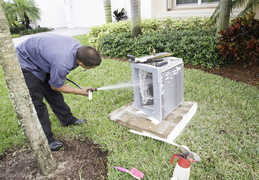
The condenser coil is like the system’s “heat dump.” It gets rid of the heat your system pulls from inside. Because it’s exposed to outdoor elements, it’s important to keep the condenser coils clean and clear of debris to maintain top performance. Seasonal cleanings and inspections can help extend the life of your condenser and prevent costly repairs, especially when you follow a spring HVAC prep checklist.
Why Both Coils Matter
Your AC system is a closed loop that relies on both coils working in sync. If either the evaporator or condenser coil is dirty, damaged, or malfunctioning, your system will struggle to cool effectively and could lead to higher energy bills or even a system breakdown. Investing in routine coil maintenance is one of the most cost-effective ways to preserve your system’s efficiency, save money with regular AC service, and avoid unexpected downtime.
When choosing a new air conditioning system—or scheduling maintenance on your current one—it’s crucial to work with professionals who understand the importance of these components. That’s where Command Comfort comes in. We bring years of experience in AC design, installation, and care to homeowners across Santa Ana and Orange County.
The Bottom Line
Evaporator coils and condenser coils may sound like technical jargon, but they are the heart of your cooling system. Understanding their roles helps you see why proper maintenance and expert installation make a difference. Whether you’re upgrading your AC or simply want to make sure your system is running at its best, trust Command Comfort to help you stay cool all year long, especially if you’re wondering whether your AC units need frequent repair and maintenance.
Frequently Asked Questions
Question: What is the difference between an evaporator coil and a condenser coil?
Answer: Evaporator and condenser coils work together as part of your air conditioning system, but they perform different functions. The evaporator coil absorbs heat from inside your home, while the condenser coil releases that heat outdoors. This continuous heat transfer process is what allows your HVAC system to cool your living space effectively.
Question: Where are the evaporator and condenser coils located?
Answer: The evaporator coil is typically located inside your home within the indoor air handler or furnace. The condenser coil is housed in the outdoor unit. Together, these components move heat from inside your home to the outside, helping maintain comfortable indoor temperatures during warmer months.
Question: Why is it important to keep HVAC coils clean?
Answer: Dirty coils can reduce system efficiency, increase energy consumption, and place additional strain on HVAC equipment. When coils become coated with dust, dirt, or debris, heat transfer becomes less effective, causing the system to work harder and potentially leading to higher utility bills and more frequent repairs.
Question: What are the signs of a problem with an evaporator or condenser coil?
Answer: Common signs of coil issues include reduced cooling performance, higher energy bills, unusual system noises, ice buildup on components, or frequent cycling. If you notice these symptoms, a professional inspection can help identify whether a coil requires cleaning, repair, or replacement.
Question: How can regular HVAC maintenance help protect my coils?
Answer: Routine maintenance helps keep evaporator and condenser coils clean and operating efficiently. Professional inspections can identify early signs of wear, corrosion, or airflow problems before they become major issues. Regular service helps improve system performance, extend equipment lifespan, and reduce the risk of unexpected breakdowns.
Contact our team at Command Comfort today! Climate Control for Life.