
Let’s be real—no one wakes up in the morning excited to replace their AC or heat pump. It’s one of those “adulting” moments we all try to dodge until our system forces us to pay attention. But when your comfort is on the line, ignoring the warning signs can lead to sweaty summers, chilly winters, and energy bills that look more like ransom notes. If you’re dealing with heating in Huntington Beach or trying to stay cool during those coastal heat waves, knowing when to say goodbye to your old system is key.
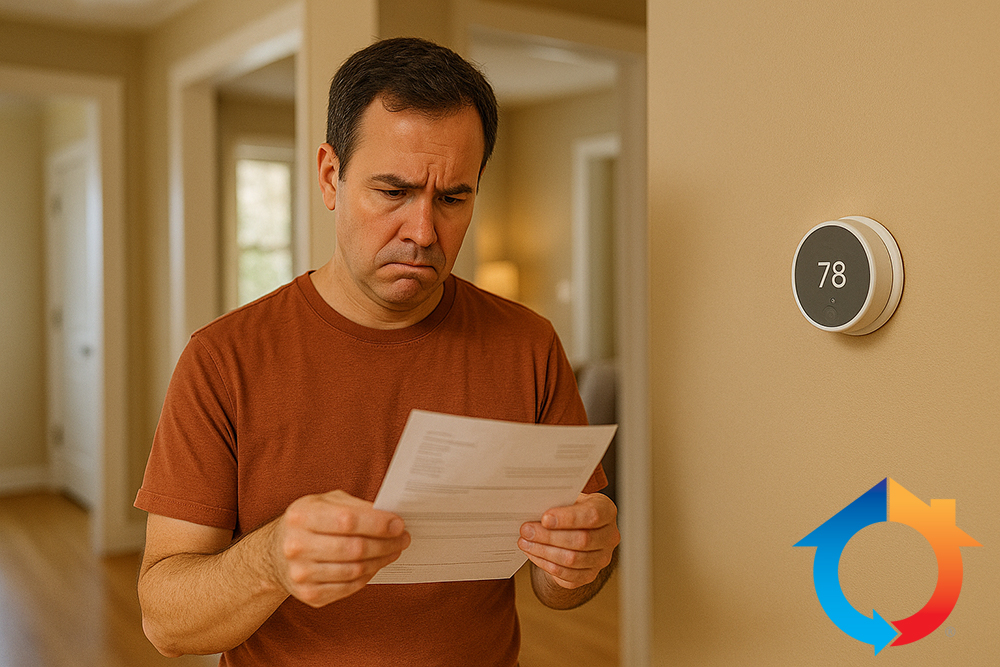
1. Rising Energy Bills From an Aging HVAC System
If your monthly energy bill is going up faster than gas prices, that’s a red flag. Older systems lose efficiency over time, which means they have to work harder to keep your home comfortable. The result? Higher bills for the same—or worse—performance. Replacing your unit with a modern, energy-efficient model can bring your costs back down where they belong.
2. Frequent HVAC Repairs and System Replacement
Think of your heat pump or AC like an old car. A repair here or there? No big deal. But if it’s breaking down often, you’ve got a money pit on your hands. At some point, it’s cheaper (and way less stressful) to replace the system entirely than to keep repairing it. If you’ve got your HVAC company’s phone number memorized, that’s your cue—it’s time for an upgrade.
3. Uneven Home Temperatures and HVAC Performance
Ever notice one room feels like a sauna while another feels like a meat locker? That’s your system throwing in the towel. Uneven heating or cooling usually means your unit can’t keep up anymore. And honestly, no one should need a blanket in one room and a fan in another.
4. Unusual HVAC Noises and Odors
Clanks, bangs, squeals, or even musty odors—if your system is making its presence known in all the wrong ways, it’s probably nearing the end of its life. A little noise is normal, but when your AC sounds like it’s starting a rock band, it’s time to start shopping for a replacement.
5. When to Replace an HVAC System Over 10 Years Old
Heat pumps and AC units aren’t immortal (sad, we know). Most last about 10–15 years with good maintenance. If your system is pushing that limit—or already past it—it’s living on borrowed time. Upgrading to a new model gives you peace of mind, better efficiency, and way fewer “will it turn on today?” moments.
Your home should be a place of comfort—not a place where you cross your fingers every time you touch the thermostat. If your heat pump or AC is showing one (or several) of these signs, don’t wait until it quits on the hottest or coldest day of the year.
Frequently Asked Questions
Question: What should I consider before replacing an AC or heat pump?
Answer: Before replacement, compare system efficiency, equipment size, installation requirements, warranty coverage, and expected operating costs. It is also important to consider how well the new equipment matches your home’s ductwork and electrical system. A professional load calculation can help determine the appropriate capacity for reliable comfort.
Question: Should I replace both the indoor and outdoor HVAC units at the same time?
Answer: In many split systems, the indoor and outdoor components are designed to work as a matched system. Replacing only one component can create compatibility, efficiency, or warranty concerns. An HVAC professional can confirm whether existing equipment can be retained or whether replacing both components is the better technical option.
Question: How do I choose the right size replacement heat pump or air conditioner?
Answer: Replacement equipment should be sized using a heating and cooling load calculation rather than simply matching the old unit. Factors such as insulation, windows, air leakage, home orientation, and ductwork affect capacity needs. Correct sizing helps improve comfort, humidity control, efficiency, and overall system performance.
Question: Can I switch from a traditional air conditioner to a heat pump when replacing my system?
Answer: Yes, many homeowners can replace a conventional air conditioner with a heat pump, provided the home’s electrical system, ductwork, and installation conditions are suitable. Because heat pumps provide both cooling and heating, the contractor should evaluate the entire HVAC setup to determine compatibility and any required modifications.
Question: What questions should I ask before choosing a new HVAC system?
Answer: Ask about system efficiency ratings, equipment sizing, warranty terms, installation requirements, maintenance needs, available comfort features, and estimated operating costs. You should also confirm what work is included in the installation quote, such as thermostat upgrades, duct modifications, electrical changes, permits, or removal of the existing equipment.
Contact our team at Command Comfort today! Climate Control for Life.